Acetaminophen use in emergency departments for pregnant women plummeted in the wake of last year’s press conference in which President Trump and his health officials cautioned against the use of the drug, according to a new study published yesterday.
Health officials said taking the painkiller increased the risk of having a kid with autism, even though the scientific consensus finds no link and untreated fevers carry their own risks to the pregnant person and the neurodevelopment of the fetus. Researchers found that orders of the painkiller decreased in the twelve weeks after the announcement — just as outpatient prescriptions of leucovorin, a little-known cancer drug that has not shown broad effectiveness in alleviating autism symptoms, dramatically rose.
How significant were the drops and spikes? Read more from me.
MAHA
Medical schools will update their approach to nutrition education
More than 50 medical schools have agreed to revamp their nutrition education at the behest of the Trump administration. The agreements, unveiled Thursday, demonstrate the Make American Healthy Again movement’s ability to find common ground with the medical establishment even as they spar over issues like vaccine policy, its leaders say.
The schools agreed to conduct a curriculum assessment, nominate a “faculty champion” to advance nutrition education, and post a public plan for getting to 40 hours of nutrition education or the equivalent starting in fall 2026.
Nutrition experts generally support strengthening education on the connections between diet and health, though some argue that the most important thing doctors can learn is to refer patients to registered dietitians and nutritionists with more specialized knowledge. Read more from STAT’s Sarah Todd.
from AXIOS:
| We’re already in the Doctor AI era |
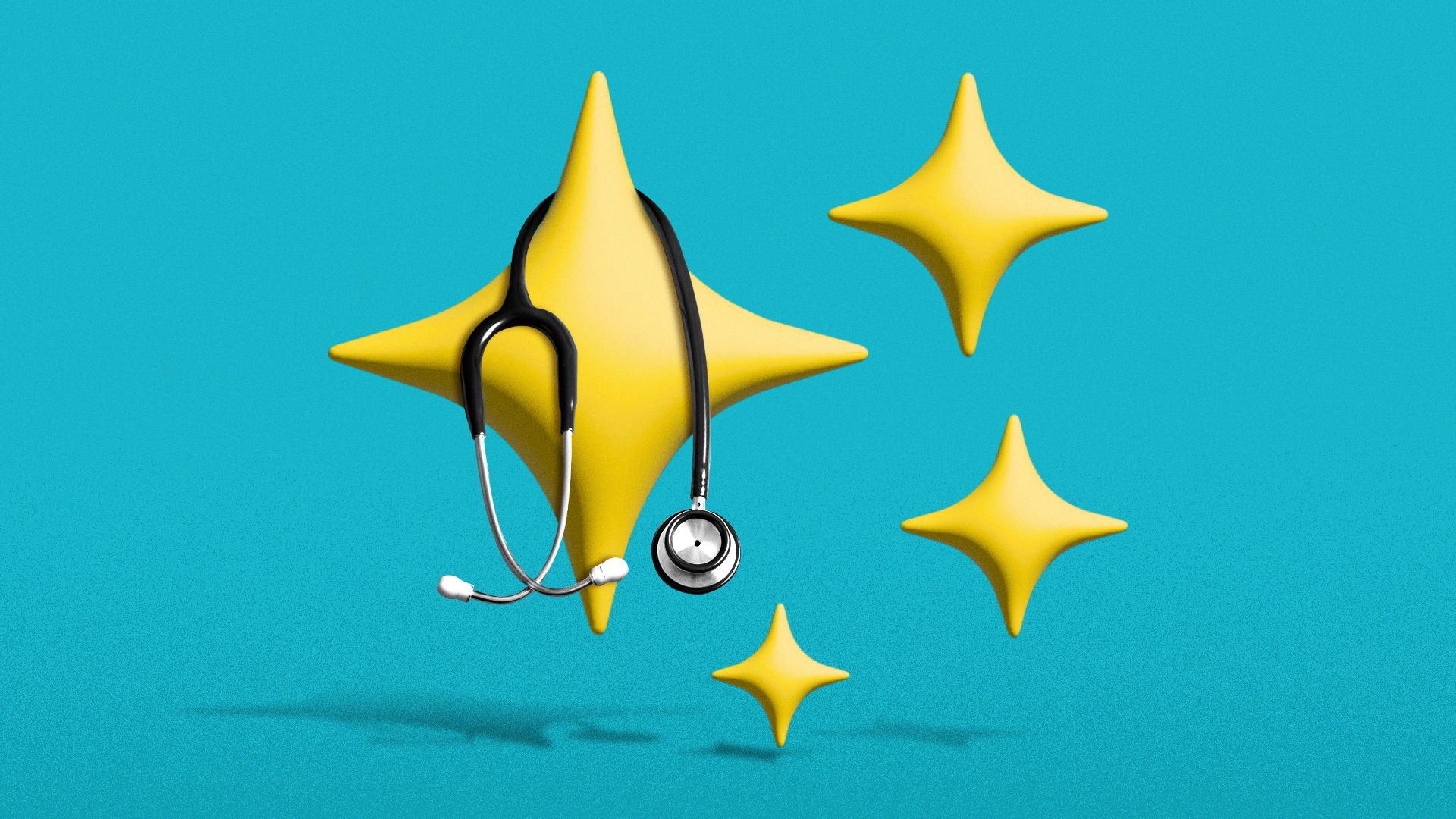 |
| Illustration: Allie Carl/Axios |
| Like it or not, consumers are already consulting AI for medical advice whenever they want to.
Why it matters: This is opening access to medical information in an entirely new way. The problem is, that advice may not always be very good. Where it stands: OpenAI put out some numbers in January: More than 40 million people ask its ChatGPT health care-related questions every day, and 1 in 4 of the tool’s approximately 800 million regular users submits a health care prompt every week.
Between the lines: Everyone pretty much agrees that you shouldn’t replace your doctor with AI, at least not yet. But a more realistic question is how helpful it is when your doctor isn’t available — or if you don’t have one.
Driving the news: A recent study published in Nature found that ChatGPT under-triaged about half of health care emergencies in a test performed by researchers.
What we’re watching: What new state and federal guardrails are put around AI in health care.
|
ChatGPT vs. a gall bladder |
|||||||
 |
|||||||
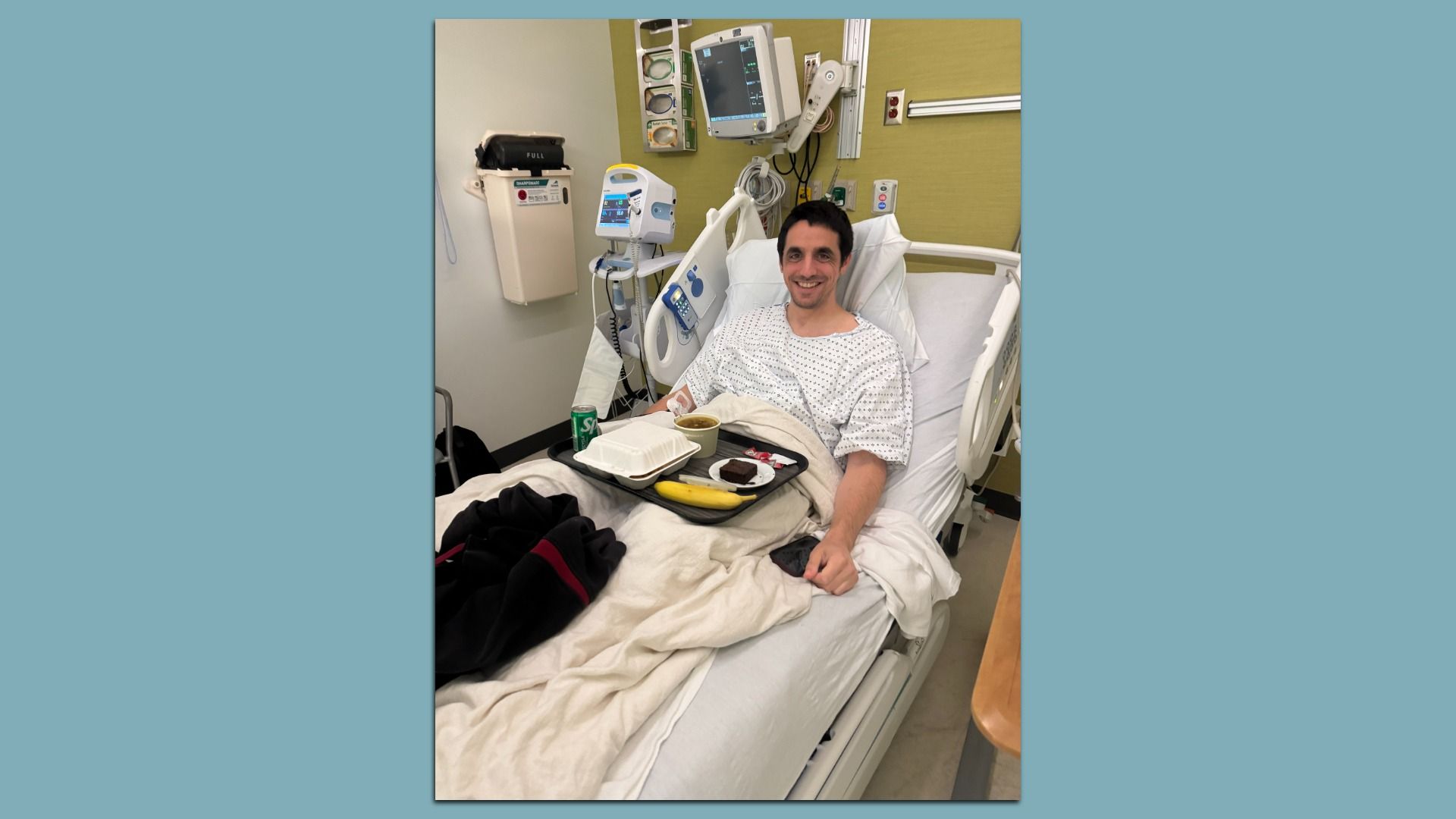
| My husband, Luke. Photo: Me! | |||||||
| So, story time! I confess that my household has indeed used ChatGPT for medical advice.
What happened: One evening in August, Luke (my husband) started having some abdominal pain after experiencing an upset stomach all afternoon.
As the night wore on, he considered taking the bot’s advice, but concluded that if he woke up his wife and baby to go the ER only to be told it’s heartburn, “she’s going to be pissed.” (No comment.)
The intrigue: Despite being in so much pain, Luke did manage to remember to bring not one, but two laptops with him to the ER, a feat his nurse made a point to comment on when I picked him up after his surgery. |