
by American Academy of Otolaryngology
edited by Gaby Clark, reviewed by Andrew Zinin
Add as preferred source
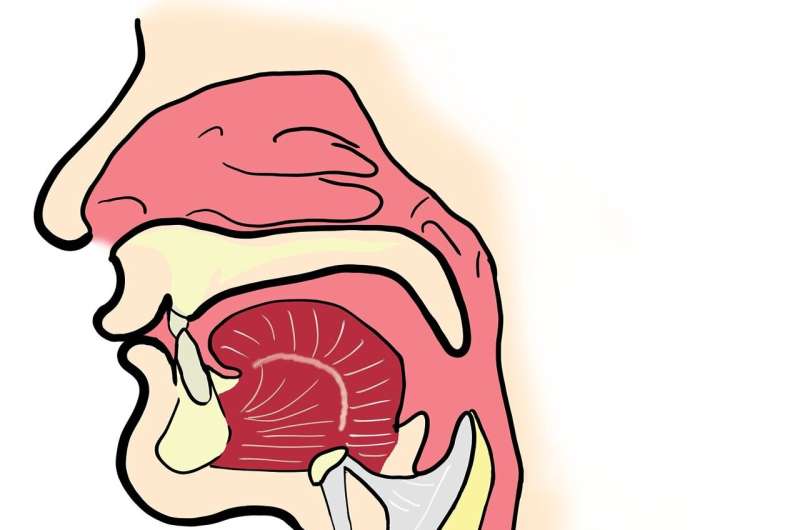
Credit: Pixabay/CC0 Public Domain
A new study published in Otolaryngology–Head and Neck Surgery reveals that glucagon-like peptide-1 receptor agonists (GLP-1RAs)—a class of medications primarily used for weight loss and diabetes management—may significantly improve post-surgical outcomes for patients with chronic rhinosinusitis with nasal polyps (CRSwNP) and obesity.
The retrospective cohort analysis examined data from 1,391 matched pairs of adult patients with CRSwNP, obesity, and at least one prior functional endoscopic sinus surgery (FESS). At one-year follow-up, patients taking GLP-1RAs showed a 36% reduction in the need for revision sinus surgery. Additionally, at five years post-surgery, patients experienced a 40% reduction in revision surgery rates and a 28% decrease in first-time biologic prescriptions.
“Using real-world EHR data, our study found that among patients with chronic rhinosinusitis with nasal polyps and obesity, those treated with GLP-1 receptor agonists had lower rates of revision sinus surgery and need for additional therapies, including biologics, over a five-year period. As a retrospective database study, these findings are observational and highlight the need for future prospective research to better understand causality and underlying mechanisms,” said Mohamad R. Chaaban, MD, MSCR, MBA, corresponding author for the paper with the Cleveland Clinic Head and Neck Institute.
The study utilized the TriNetX Analytics platform to analyze data from more than 100 million patient records across 59 healthcare organizations in the United States. Researchers examined patients who received GLP-1RA prescriptions—including medications such as semaglutide, dulaglutide, and liraglutide—at least one day after undergoing sinus surgery and compared their outcomes to similar patients who did not receive these medications.
The mechanisms behind these improvements may be twofold. Previous research has shown that GLP-1RAs have anti-inflammatory effects in airway tissues, including reducing interleukin-33 (IL-33) production in nasal epithelial cells. IL-33 has been associated with postoperative recurrence in patients with nasal polyps. Additionally, weight loss achieved through these medications may reduce the inflammatory burden associated with obesity, which has been increasingly recognized as a risk factor for chronic rhinosinusitis.
With obesity rates continuing to rise in the United States and chronic rhinosinusitis affecting millions of Americans, these findings have important implications for managing both conditions. However, the authors note that prospective studies and mechanistic research are needed to confirm these associations and better understand how GLP-1RAs influence chronic sinus disease outcomes.
More information
David Hoying et al, Assessing the Impact of GLP‐1R Agonists in Post‐sinus Surgery Management, Otolaryngology–Head and Neck Surgery (2025). DOI: 10.1002/ohn.70072
Key medical concepts
GLP-1 Receptor Agonist [EPC]ObesityInterleukin-33
Clinical categories
Clinical pharmacologyAllied healthWeight managementCommon illnesses & Prevention
Explore further
Asthma and antibiotic use may predict nasal polyp recurrence after endoscopic sinus surgery