
Cardiovascular-kidney-metabolic (CKM) syndrome is gaining attention as a constellation of conditions that increase risk beyond a single diagnosis, warranting a coordinated, interdisciplinary approach to optimize patient outcomes.
Greater recognition of CKM syndrome is important because an estimated 90% of Americans have at least one risk factor for the syndrome. The first official CKM syndrome guidelines from the American Heart Association (AHA), expected in the second quarter of 2026, should provide clinical guidance and accelerate awareness.
In the meantime, experts in cardiology, endocrinology, and nephrology discussed with Medscape Medical News the potential benefits, likely challenges, and strategies for effective CKM programs.
 Ian J. Neeland, MDFirst defined by the AHA in 2023, CKM syndrome is “a very important framework with which to understand both risk the patients face as well as to choose appropriate interventions to reduce risk and treat the complex chronic diseases,” Ian J. Neeland, MD, director of the UH Center for Cardiovascular Prevention at University Hospitals Cleveland Medical Center, told Medscape Medical News.
Grouping these overlapping conditions into one syndrome “makes explicit what clinicians already experience every day — that these conditions cluster, share mechanisms, and amplify each other,” said Taher Modarressi, MD, a diabetes and metabolism endocrinologist at Advocare Princeton Cardiometabolic Health in Pennington, New Jersey.
 Taher Modarressi, MD“The CKM framing echoes other guidelines and approaches, and pushes teams to look at, for example, kidney disease when treating diabetes, to treat obesity as a disease rather than a ‘lifestyle issue,’ and, critically, to view early disease as a prevention opportunity rather than waiting for an event,” Modarressi added.
Buy-In, Investment Required
Neeland and colleagues published multiple papers showing greater use of guideline-directed medical therapies and improved patient outcomes from programs focused on CKM syndrome.
“It takes buy-in, coordination, and investment to change the paradigm of care,” said Neeland, a co-author of the 2023 AHA Presidential Advisory on CKM health. “If you have people willing to do the work, it can happen.”
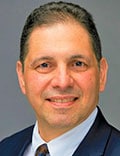 Joseph A. Vassalotti, MD“The strength, for me, is the interrelationships between the diseases and the emphasis on fostering interdisciplinary care,” Joseph A. Vassalotti, MD, chief medical officer at the National Kidney Foundation, told Medscape Medical News.
Since the advisory was issued, the biggest progress has been turning “multimorbidity” into a shared, staged framework that clinicians across specialties can use to frame risk and progression consistently, Modarressi said.
Greater awareness of this coordinated care should benefit patients. “The most successful patients in our program are those who are engaged in buy-in and do the work and work with the different providers and care about their health,” Neeland added.
Impact on Practice?
It’s early yet, but Modarressi certainly sees positive effects on practice.
“Practically, I have found the effect varies by setting,” he said. “In many places, it hasn’t changed practice overnight the way a new drug might, but it has accelerated changes that were already underway, such as earlier and more intentional screening and more explicit use of therapies with multi-organ benefit.
“However, there remains a tremendous amount of inertia. Fragmented care settings have workflow gaps that delay implementation. But in systems with strong care pathways, it can meaningfully improve screening and escalation,” Modarressi said.
On the implementation side, the AHA has moved from definition to infrastructure, tools, and practical implementation aimed at coordinated care.
“This is why I feel the AHA’s push toward implementation tools and professional education is critical, as the AHA is essentially acknowledging that definition alone is not enough and this is not merely an exercise in adding a label or diagnosis code,” Modarressi said.
After releasing the advisory, the AHA launched a CKM Health Initiative that includes resources to help clinicians implement the advisory’s recommendations:
- An implementation guide with self-assessment questions, interdisciplinary care frameworks, and real-world case examples
- Toolkits (including screening and management) that help health systems translate the advisory into practice
- A PREVENT risk calculator that incorporates CKM elements for risk stratification
- Podcasts, webinars, and video modules on CKM care principles and effective team-based approaches
- Professional education content (continuing education/continuing medical education opportunities) linked to interdisciplinary strategies and specific CKM topics
- A website about CKM that is aimed at healthcare professionals
Increasing Awareness of Kidney Disease
Patients with kidney disease should know more about CKM syndrome, but it could be challenging because “most people with kidney disease don’t even know they have it,” said Vassalotti, who is also a clinical professor of medicine/nephrology at the Icahn School of Medicine at Mount Sinai in New York City.
To make risks more tangible, providers can point patients toward The Kidney Failure Risk Equation where people can learn their 2- and 5-year risk for dialysis if they control their blood pressure and take certain medications, for example. The AHA also offers the PREVENT Online Calculator, which includes kidney and metabolic factors in estimating risk.
It’s essential for kidney disease to be part of CKM syndrome “to increase attention among practitioners of every stripe on the importance of kidney disease. It’s important because kidney disease often goes neglected,” Vassalotti said.
Providers of every stripe include primary care physicians, pharmacists, dietitians, exercise physiologists, and cardiac rehab specialists, he said. “There are a lot of opportunities for collaboration that can be fulfilling for clinicians to interact, and to hopefully gain insights and perspectives from each other.”
Historically, cardiovascular research tended to exclude participants with low estimated glomerular filtration rate, elevated creatinine, and albuminuria or other major biomarkers for kidney disease. However, recent studies are more inclusive regarding advanced kidney disease, Vassalotti said.
Weighing More Than Obesity
It could be tempting to point to obesity as the major culprit driving CKM syndrome. Excess or dysfunctional adiposity, after all, is a major upstream driver and shows up early in the CKM staging model.
“But it’s not the only driver and treating obesity is not a ‘magic key’ that solves everything,” Modarressi said.
The CKM framework also highlights genetics, blood pressure, lipids, glycemic control, inflammation, and, importantly, social determinants of health, he added. “CKM health is bigger than weight alone.”
A Patient-Centric Approach
Neeland co-directs one of the earliest CKM programs, the University Hospitals Harrington Heart & Vascular Institute’s Center for Integrated and Novel Approaches in Vascular-Metabolic Disease (UH CINEMA) in Cleveland.
At UH CINEMA, the first intake appointment can take 1.5 hours and focuses on education and expectations.
Neeland said some people have an epiphany when they realize the interconnectedness of their conditions — their diabetes affects their heart, their sleep apnea can impact their diabetes, or their fatty liver disease can increase their risk for kidney cancer or cardiovascular disease.
An essential group of providers at UH CINEMA includes a patient educator, pharmacist, a registered dietitian, and a health coach. “That core team can take care of 95% of issues across the CKM spectrum,” Neeland said. Another key to success is a care coordinator who can ensure optimal care for patients and help them navigate among the different specialties.
Several institutions besides university hospitals across the country have created interdisciplinary clinical and/or research programs for CKM syndrome:
- UNC School of Medicine in Chapel Hill, North Carolina, has a multidisciplinary CKM clinic.
- Augusta University in Georgia has a Strategically Focused Research Network Center on CKM syndrome in women.
- Johns Hopkins University in Baltimore leads AHA initiatives on CKM syndrome.
- UVA Health in Charlottesville, Virginia, provides specialized diagnosis and management for CKM syndrome.
The AHA also is creating 15 regional hubs for CKM care, including locations in Atlanta; San Diego; Washington, DC/Maryland; Bronx/Brooklyn; and Miami.
Reimbursement Realities
CKM programs can be resource-intensive, time-intensive, and costly. Therefore, the return on investment is driven by reduced long-term health costs, including reduced healthcare utilization and improved patient risk profiles. “That leads to people who feel better and lose less time at work,” Neeland said.
The key is getting administrators to realize saving money through long-term, coordinated care means reduced costs overall, Neeland added.
“For example, patients with advanced kidney disease are some of the highest cost patients out there, and if we can prevent the advancement or progression of kidney disease and complications…that’s a lot of cost savings to health systems,” he said.
UH CINEMA billing includes regular specialist visit charges with a copay and insurance reimbursement. The dietitian consult is also billed. But to provide care that is as affordable as possible, everything subsequent to the initial charges is not billed to insurance, Neeland said, because the program is financially supported by UH and philanthropy.
Clear Guidance Warranted
Although details of the upcoming guidance are under wraps for now, Modarressi hopes the official guidelines will help identify who to screen and when, according to CKM staging.
As an endocrinologist “deeply embedded in the CKM space, we are looking for clear, practical screening guidance,” Modarressi said. Also helpful would be simple treatment pathways that translate staging into ‘do this next’ steps, he said, and strategies for better collaboration among fragmented care settings.
“I am also looking to see how the committee addresses the reality that CKM burden and progression are not evenly distributed. We need guidelines that acknowledge real-world constraints,” he said.
Medscape provides an online resource that highlights the risk factors, staging criteria, etiology, and how social determinants of health contribute to CKM syndrome.
Neelan is a speaker for Boehringer Ingelheim, Eli Lilly, and Bayer. Modarressi is a member of the scientific advisory board for Eli Lilly, Novo Nordisk, Novartis, New Amsterdam Pharma, Regeneron and Madrigal Pharmaceuticals; a consultant for CRISPR Therapeutics and Novo Nordisk; and a member of the speakers’ bureau for Eli Lilly, Amgen, Madrigal Pharmaceuticals, Abbott, and AstraZeneca. Vassalotti reported no relevant financial relationships.
Damian McNamara is a freelance contributor to Medscape Medical News. He worked full-time for Medscape and WebMD from 2018 to 2024. Damian has a BA in chemistry and an MA in science, health and environmental reporting/journalism. He works out of a home office in Miami, with a 100-pound chocolate lab known to snore under his desk during work hours.