
 |
|||||||
| Illustration: Maura Losch/Axios | |||||||
OpenAI just dropped a suite of products designed for health care professionals, Axios’ Josephine Walker reports.
🛠️ How it works: ChatGPT for Healthcare is powered by GPT‑5 models that OpenAI says were built for health care and meet HIPAA compliance requirements.
Read the announcement.
|
Medicaid restrictions could lead to a million missed cancer screenings, study finds
 ASHRAF SHAZLY/AFP via Getty Images
Public health experts have lamented that the One Big Beautiful Bill, which cuts $1 trillion from Medicaid, will have dire consequences for low-income Americans and those with disabilities. A new study puts hard numbers to one of those expected impacts: missed cancer screenings. A research team estimated the impact of two of the bill’s new Medicaid eligibility restrictions: work requirements and re-verification every six months, set to take effect at the start of 2027. Scientists estimated that reduced coverage would lead to nearly 1.2 million missed colorectal, breast, or lung cancer screenings and 155 preventable deaths within two years.
The findings were published this week in JAMA Oncology. Adrian Diaz, a surgical oncologist at the University of Chicago and one of the paper’s authors, told STAT’s Angus Chen that the results underscore a contradiction of the U.S. health care system: capable of delivering innovative and lifesaving treatments, but riddled with barriers that prevent many patients from accessing basic preventive services. Read more from Angus.
vaccines
Experts to conduct independent review of HPV vaccine
Federal officials made waves this week when they slashed the number of recommended childhood vaccinations from 17 to 11, a decision top officials made without following the usual process for such changes. Health department officials also recommended a single dose of the vaccine against human papillomavirus, or HPV, as opposed to two. While some studies have found that a single dose of the vaccine, which prevents cervical and other cancers, is as effective as two shots, the U.S. does not currently have a licensed single-shot HPV vaccine.
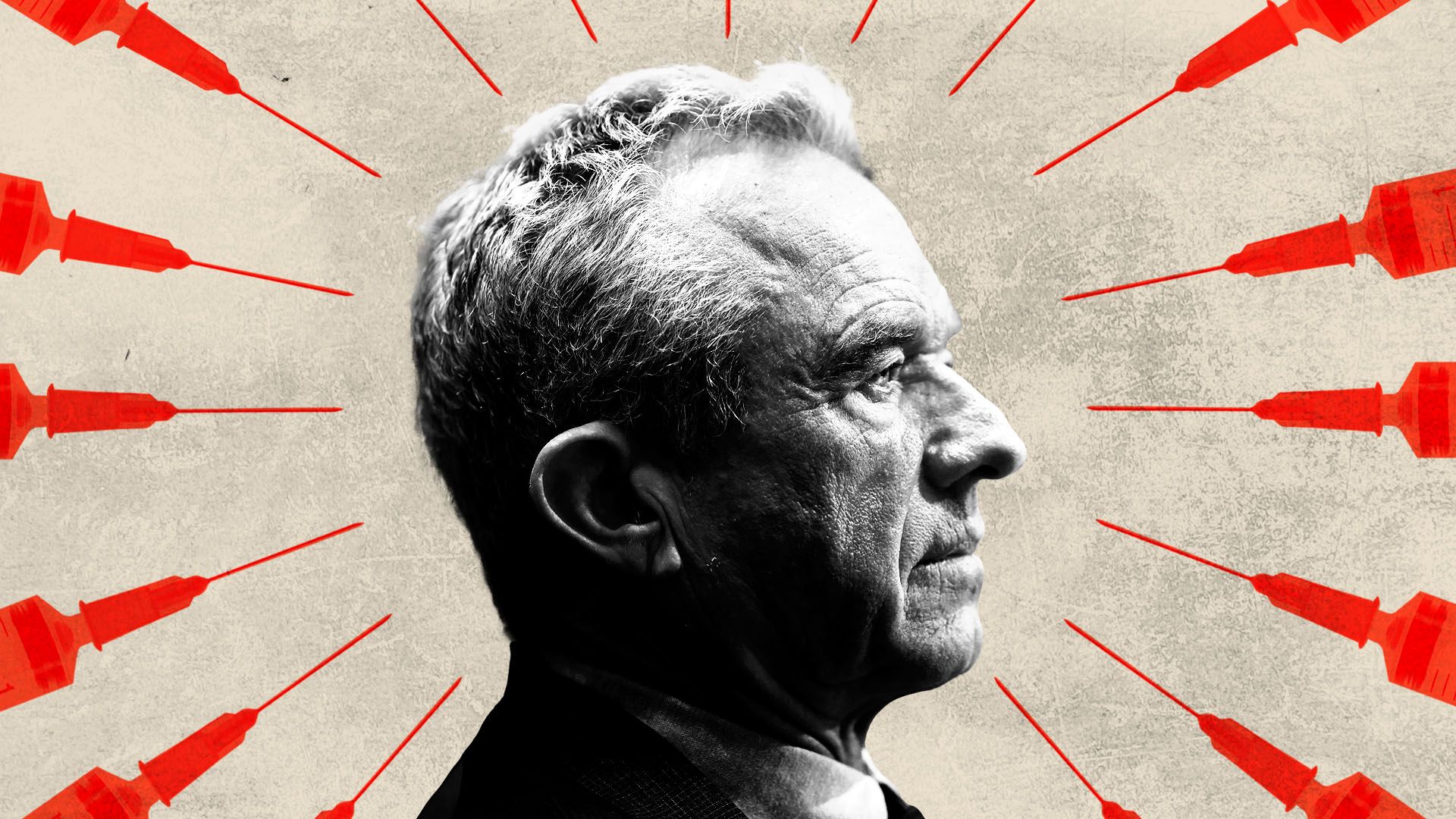
An independent group of experts announced Thursday that it plans to conduct its own review of scientific evidence related to the vaccine. In its announcement, the University of Minnesota’s Vaccine Integrity Project noted that health secretary Robert F. Kennedy Jr., a longtime vaccine critic, has in the past inaccurately called the HPV vaccine “the most dangerous vaccine ever invented.” The group plans to share more about the review’s scope and methods in the coming weeks.
“Any consideration of changes to HPV vaccine recommendations must be grounded in high-quality evidence,” said Michael Osterholm, director of the Center for Infectious Disease Research and Policy. “Our goal is to ensure that policymakers, clinicians, and the public have an accurate understanding of what the data actually show.”
patients
How the DTC boom lets patients run tests without doctors
As direct-to-consumer medical testing proliferates, there’s a fast-growing subset of Americans desperate for immediate insights into their health who are ordering their own lab and genetic screening panels online. These tests can go for hundreds of dollars a pop and aren’t always advised by medical screening standards or insurance guidelines for the people who buy them.
But when patients want to contextualize the results, their doctors are often in the dark. “Doctors are going to have to get used to this and navigate this,” said Darren Sidaway, who has long taken his care into his own hands by ordering tests screening for nontraditional biomarkers and adjusting his habits based on early, related research. Experts say it’s too early to issue concrete policy on how clinicians should handle DTC test results.
Read the story from former STAT reporter Mohana Ravindranath, and keep an eye out for more. The piece is part of a series from Mohana on the growing trend of patients ordering their own lab tests and MRIs, and how that’s impacting health care.