
by Weill Cornell Medical College
edited by Stephanie Baum, reviewed by Andrew Zinin
Add as preferred source
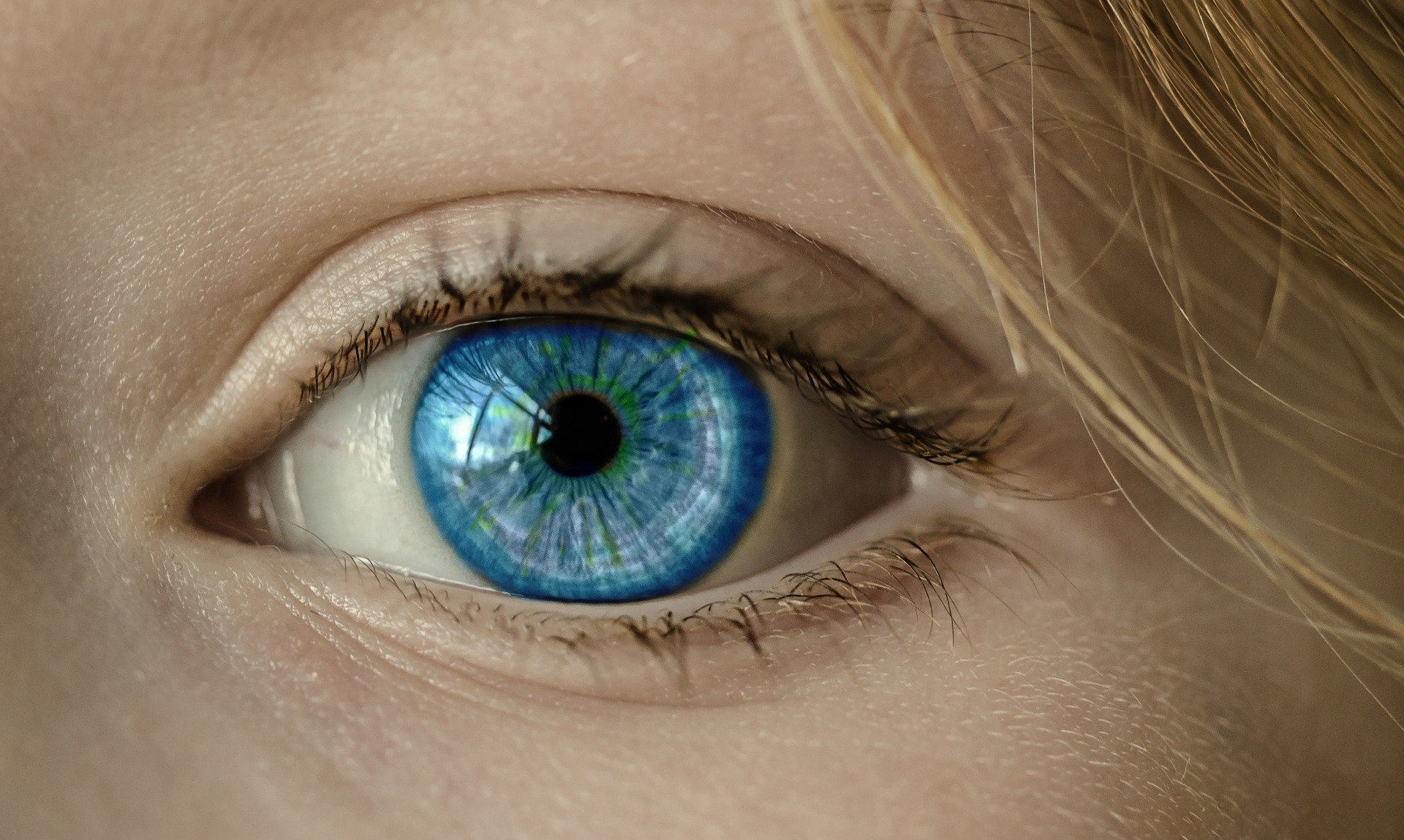
Credit: CC0 Public Domain
The popular diabetes and weight loss medication tirzepatide (brand name Mounjaro or Zepbound) may lower the risk of diabetic retinopathy, a leading cause of vision loss, according to Weill Cornell Medicine investigators. The findings may offer comfort to patients concerned about their eye health while taking the drug.
Diabetic retinopathy develops when chronically high blood sugar damages the blood vessels lining the back of the eye and affects nearly 10 million people in the U.S. Previous studies suggested that GLP-1 diabetes and weight loss drugs, such as semaglutide (brand name Wegovy or Ozempic), could worsen diabetic retinopathy and associated conditions.
However, the new findings, published in Ophthalmology, showed that people taking tirzepatide, a similar drug in the same class, were significantly less likely to develop new diabetic retinopathy or progress to more dangerous stages of the disease.
“Based on findings obtained from a large database of patients across multiple clinical practices, those with diabetic retinopathy may be less concerned that taking tirzepatide is going to make their condition worse,” said lead author Dr. Szilárd Kiss, the Bob and Dolores Hope–Robert M. Ellsworth, M.D. Distinguished Professor in Ophthalmology, and an ophthalmologist at NewYork-Presbyterian/Weill Cornell Medical Center.
“The findings suggest they may have a reduced risk of requiring more eye treatments with lasers or injections, which are typically required when retinopathy becomes severe.”
Keeping an eye on sight
More than six million people in the U.S. use either semaglutide or tirzepatide—drugs that reduce blood sugar, slow gastric emptying and reduce appetite. GLP-1 agonists like semaglutide lower blood sugar by mimicking the body’s natural hormone glucagon-like peptide-1 (GLP-1), which triggers insulin secretion and blocks glucagon, a hormone that raises blood sugar levels.
Tirzepatide, however, activates both the GLP-1 receptor and a second hormone pathway called glucose-dependent insulinotropic polypeptide (GIP), producing greater improvements in insulin sensitivity, weight loss and metabolic inflammation.
Two recent large-scale studies hinted that semaglutide treatment worsened diabetic retinopathy temporarily, related to blood sugar lowering quickly. But this observation didn’t match Dr. Kiss’s experience in the clinic.
“We were seeing fewer patients who had worsening retinopathy while on tirzepatide,” said Dr. Kiss, who is also associate dean of clinical compliance at Weill Cornell.
To uncover whether tirzepatide affects diabetic retinopathy, Dr. Kiss’s team conducted a large-scale retrospective study analyzing the electronic health records of about 174,000 patients from 70 U.S. health systems. They matched patients with diabetes and overweight or obesity, comparing those who started tirzepatide with similar patients who pursued lifestyle interventions only, such as nutrition therapy or exercise counseling.
The team found that patients taking tirzepatide had a lower risk of worsening diabetic retinopathy or related complications than controls after one year of treatment. For example, incident mild non-proliferative diabetic retinopathy occurred in 0.49% of tirzepatide patients compared with 1.2% of controls. As a result, the tirzepatide group had a reduced need for eye treatments such as intraocular injections or laser therapy.
“Our study and others suggest that medications like semaglutide and tirzepatide may not affect diabetic retinopathy in the same way,” said Jaffer Shah, clinical trial coordinator at Weill Cornell, and first author on the study. “Understanding the differences in broader metabolic changes, including the potential effects on the retinal microvasculature, is exciting because this could ultimately help guide treatment choices while keeping long-term eye health in mind.”
Next, Dr. Kiss will collaborate with Dr. Kyle Kovacs, the St. Giles Associate Professor of Pediatric Retina and associate professor of clinical ophthalmology at Weill Cornell, to produce a patient dataset with greater detail that will provide more comprehensive information. The researchers will compile photos and anatomical details about patients, including information about their vision and retinal thickness, for future studies.
Publication details
Jaffer Shah et al, Tirzepatide and Reduced Risk of Diabetic Retinopathy and Related Complications: A Multicenter U.S. Cohort Study, Ophthalmology (2026). DOI: 10.1016/j.ophtha.2026.01.013
Journal information: Ophthalmology
Key medical concepts
Diabetic RetinopathyTirzepatideSemaglutideGlucagon-Like Peptide-1 Receptor AgonistsGastric Inhibitory Polypeptide
Clinical categories
OphthalmologyEndocrinologyCommon illnesses & PreventionWeight management
Explore further
How diabetes affects your eyes
